Evolutionary Journey of CLTS in Bangladesh
In the late 1990s, open defecation rates in rural Bangladesh exceeded 33%. Top-down government hardware subsidy programs frequently failed because subsidized latrine slabs were converted into storage sheds or chicken coops. The breakthrough came in 1999 in Rajshahi district with the advent of Community-Led Total Sanitation (CLTS).
CLTS shifted the sector paradigm from subsidizing individual toilet hardware to mobilizing entire communities to analyze their own sanitation profile, achieve 100% Open Defecation Free (ODF) status, and take collective pride in community health.
Psychological Mechanics of Community Triggering
CLTS relies on participatory appraisal techniques that evoke intense collective emotions — disgust, shame, and pride — leading to immediate self-directed action.
Facilitators avoid teaching hygiene lectures; instead, they ask community members to walk through open defecation areas and observe how flies move directly from exposed human waste onto local food markets and drinking water vessels.
Participatory Tools & The F-Diagram Math
Facilitators guide the community through four structured participatory tools:
- 1. Social & Sanitation Mapping: Drawing a village map on ground dirt identifying every home and open defecation spot.
- 2. Transect Walk: Walking through defecation sites to inspect contamination pathways firsthand.
- 3. Faecal Math: Calculating total daily faecal output (e.g., 500 people x 300g = 150 kg of faeces deposited daily).
- 4. The F-Diagram Demonstration: Tracking how faeces reaches mouth via Fluids, Fields, Flies, Fingers, and Food.
This calculation triggers the "Moment of Ignition" where community members vow to construct immediate pit latrines without waiting for external aid.
Moving Up the Sanitation Ladder to Resilient Hardware
Initial self-built pit latrines are a stepping stone. To ensure long-term hygiene and flood resilience, communities must upgrade to durable sanitation infrastructure:
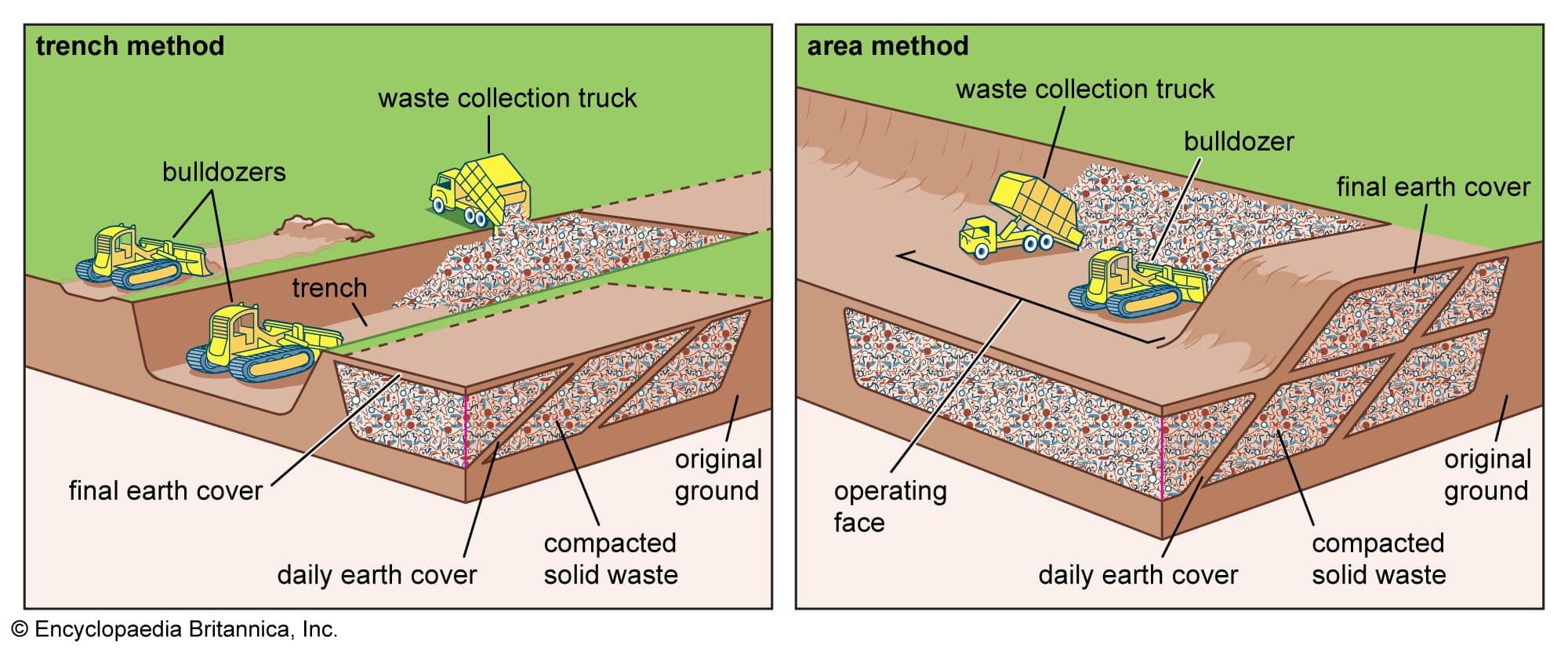
AIDE promotes offset double-pit pour-flush latrines fitted with water seals. Dual pits allow alternating usage — when pit 1 fills, waste is diverted to pit 2 while pit 1 pathogenically decomposes into safe, odor-free organic fertilizer over 18 months.
In flood-prone regions, latrine platforms are elevated on concrete rings above historical flood marks to prevent pit inundation.
Institutionalization, Union Parishad Monitoring & Emergency Preparedness
Sustaining ODF status requires embedding sanitation verification into local government structures. Union Parishad Standing Committees track monthly household sanitation metrics and certify ODF wards.
AIDE integrates community mobilization with emergency disaster preparedness programs such as the UNICEF & DPHE Cyclone Preparedness Project, ensuring latrines remain operational following severe weather events.