Knowledge Hub
Insights & Perspectives
Evidence-based articles from AIDE's field teams on WASH, waste management, climate resilience, and sustainable development across Bangladesh.
More Articles
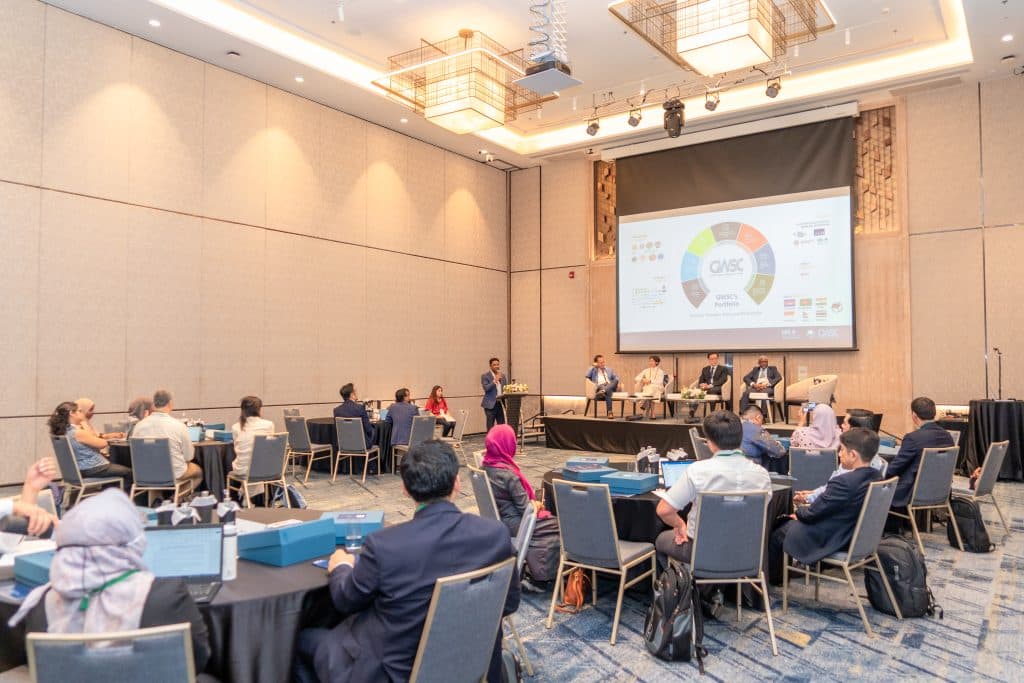
Water Governance in Bangladesh: Sector Bottlenecks, Digital MIS & 2030 Roadmap
Achieving universal safely managed water (SDG 6.1) and sanitation (SDG 6.2) by 2030 requires structural sector reform. Explore cost-reflective tariffs, IoT water monitoring, and AIDE's policy initiatives.
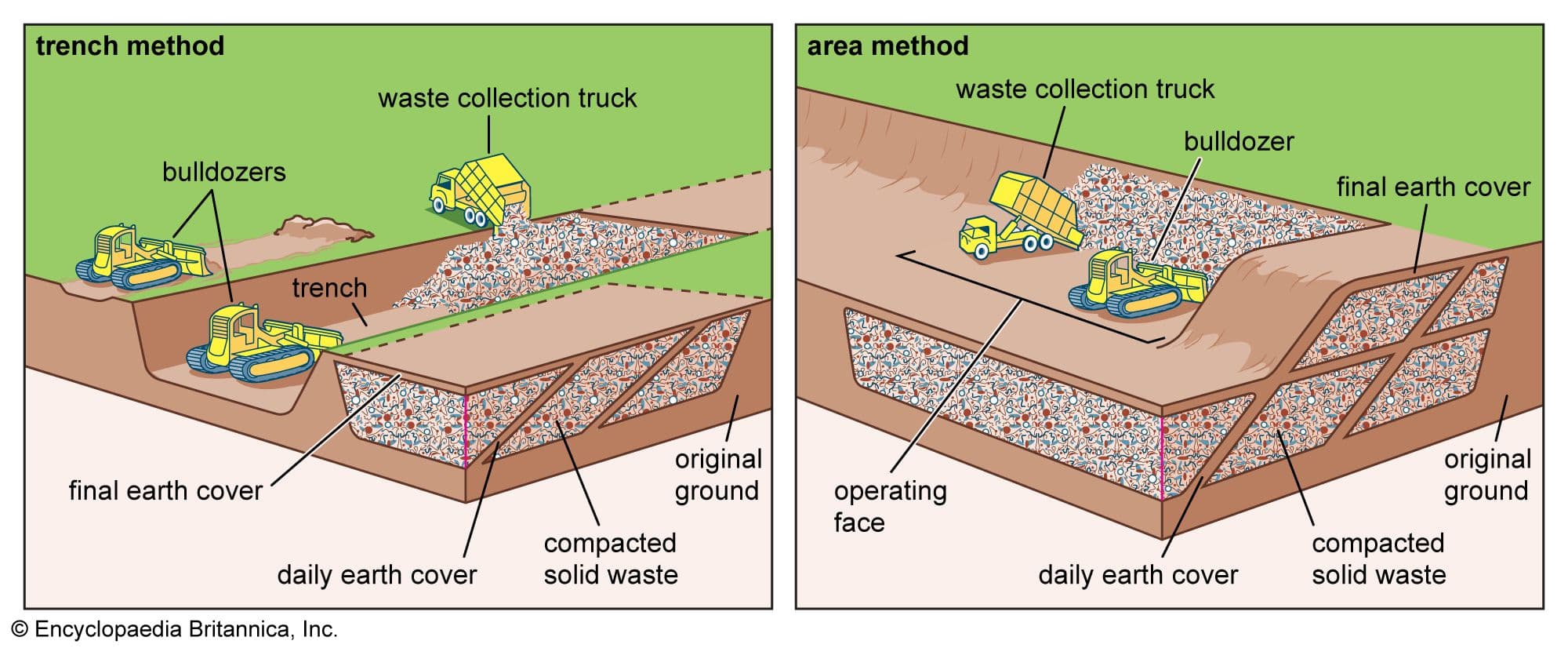
Industrial Wastewater Treatment in Bangladesh: ETP Engineering & Regulatory Compliance
Textile dyeing and manufacturing generate 200+ million liters of effluent daily. Explore biological ASP, MBBR, MBR, Zero Liquid Discharge (ZLD), and DoE compliance.
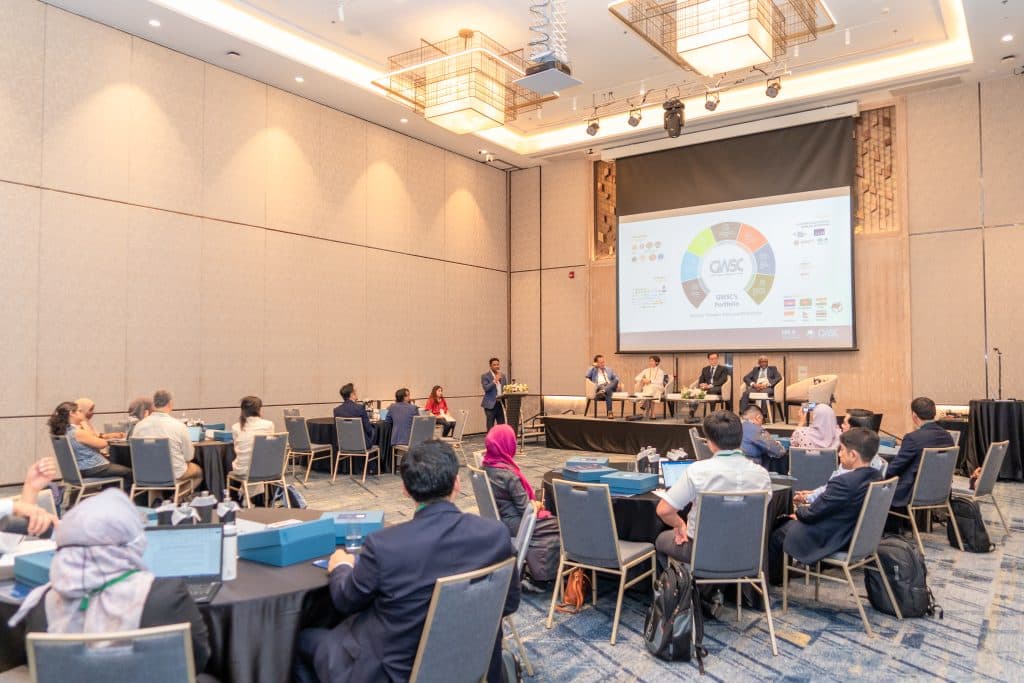
Strengthening Local Government Capacity for WASH Service Delivery in Bangladesh
Union Parishads and Pourashavas lead local WASH governance. Discover AIDE's 5-step capacity development framework built with UNICEF and DPHE across 46 districts.
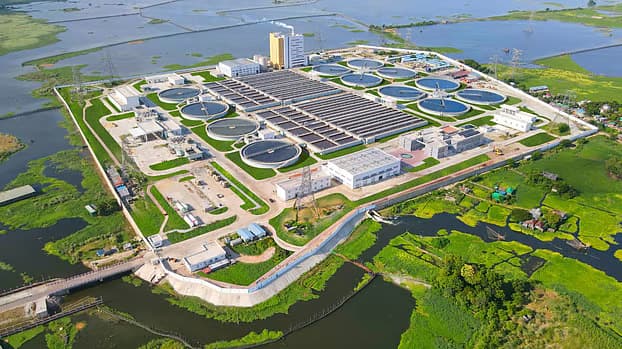
Arsenic in Bangladesh's Groundwater: 30 Years On, Lessons & Engineering Mitigation
30 years after discovery, 20 million people remain exposed to groundwater arsenic above 50 µg/L. Learn the geochemical release mechanics, deep aquifer protection, and RO filtration solutions.
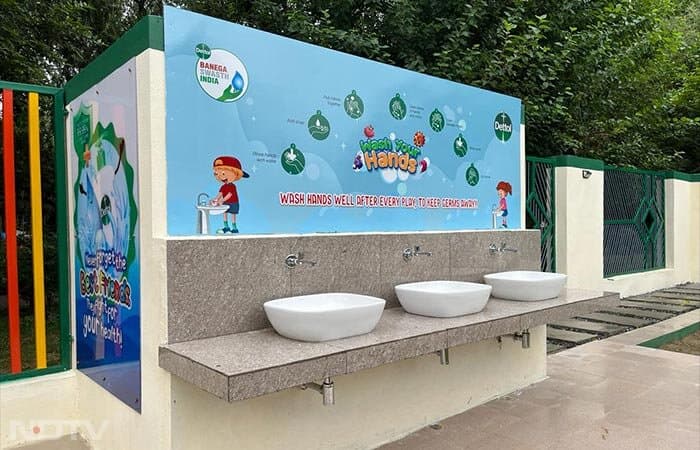
Menstrual Hygiene Management in Schools: Gender Equality & Educational Retention
Inadequate school WASH facilities cause 40% of Bangladeshi girls to miss 3-4 days of class per month. Explore architectural Latrine blueprints, emergency pad banks, and SBCC peer education.
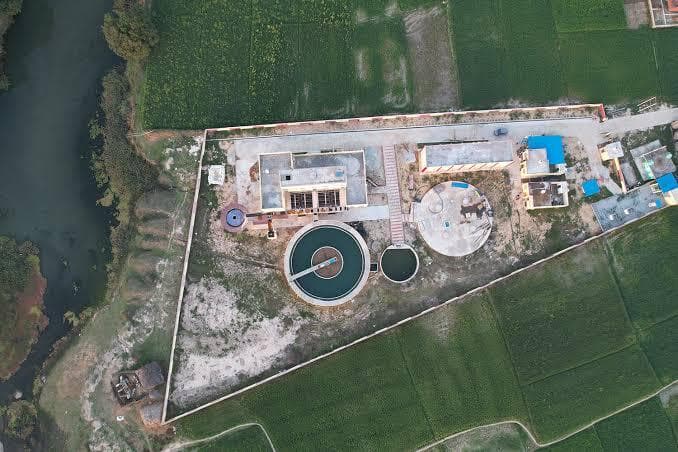
Building Climate Resilience in Coastal Bangladesh: Hydro-Engineering & Anticipatory Action
35 million coastal residents face severe storm surges and ground salinity above 15 dS/m. Learn how raised platforms, solar filtration, and 72-hour pre-crisis anticipatory action build flood immunity.
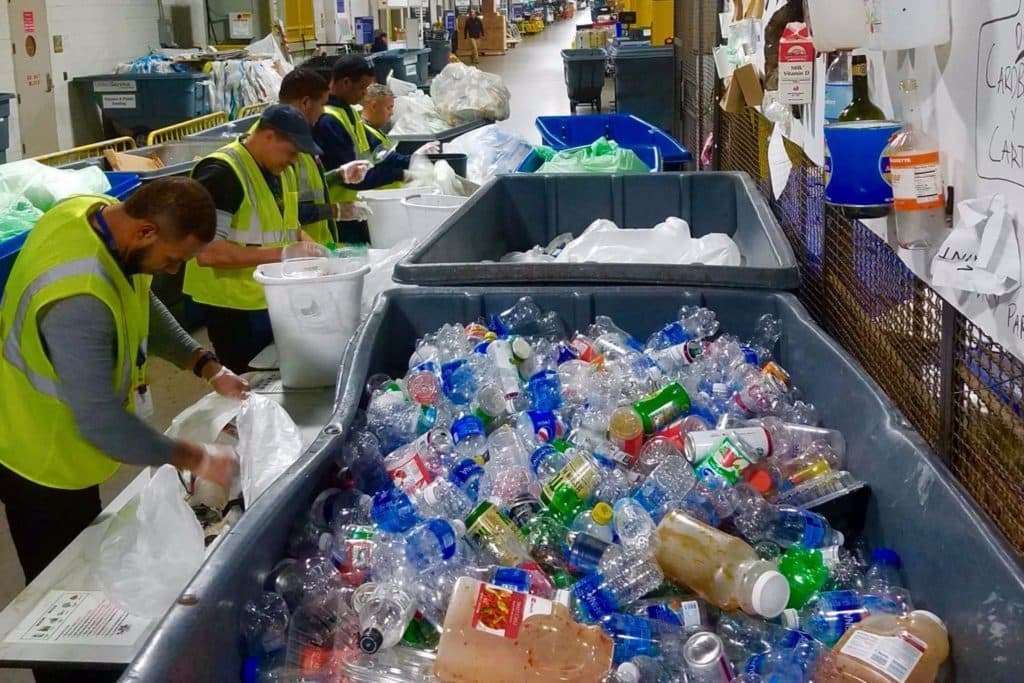
Urban Solid Waste Management in Bangladesh: From Dumpsites to Circular Economy
Bangladesh's urban centers generate 25,000+ tonnes of solid waste daily. Explore the 3R framework, Secondary Transfer Stations, Fecal Sludge Treatment Plants (FSTP), and organic co-composting.
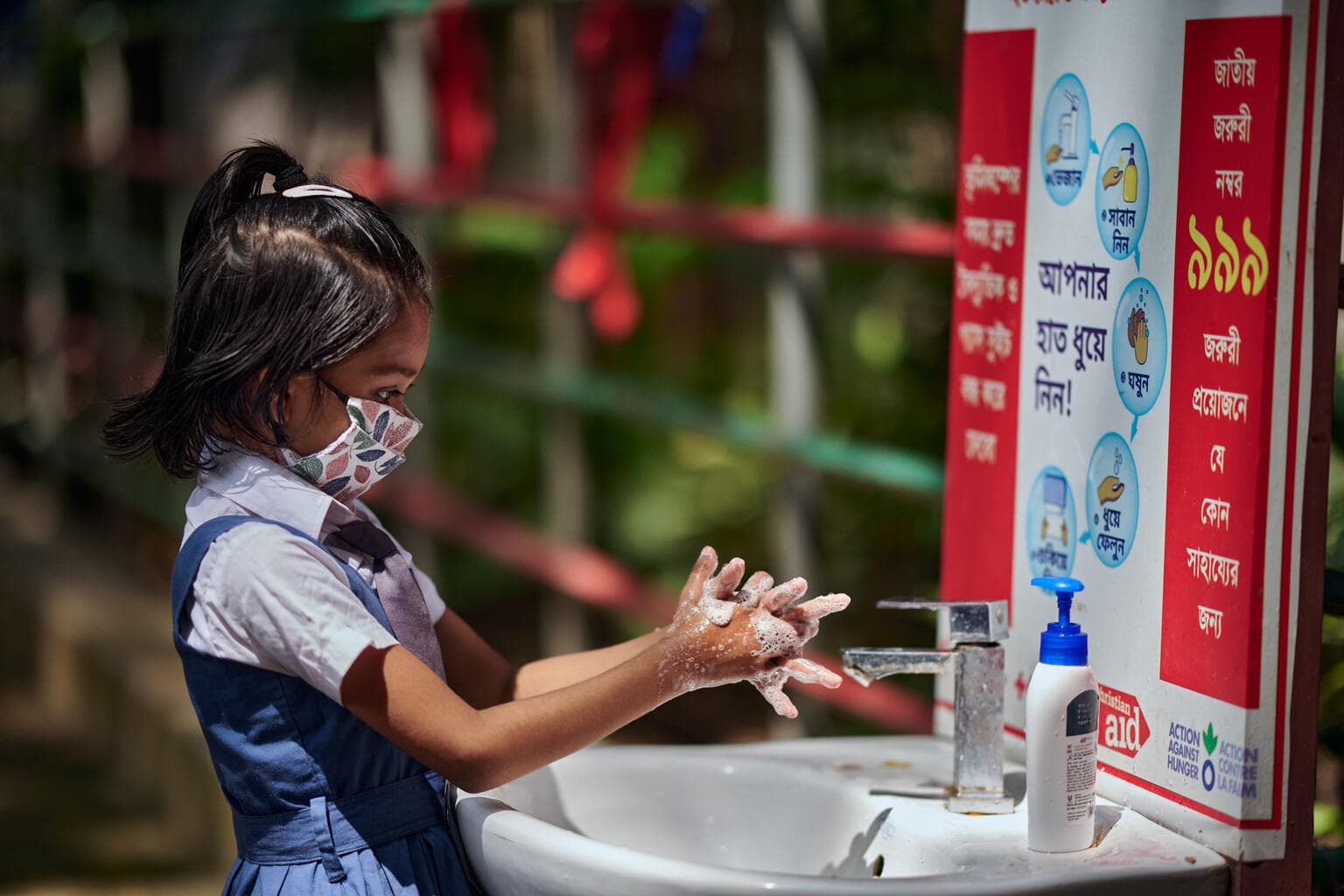
Community-Led Total Sanitation (CLTS): Evolutionary Journey & Behavioral Mechanics
CLTS transformed Bangladesh from open defecation to total sanitation. Learn the 4-phase triggering mechanism, community ignition psychology, and the transition to climate-resilient double-pit latrines.
Ensuring Safe Drinking Water in Rural Bangladesh: Comprehensive Technical & Policy Guide
Approximately 40 million rural Bangladeshis lack access to safely managed drinking water. Discover the hydrogeological drivers, arsenic reduction chemistry, RO & PSF engineering, and community-led maintenance models.