The Rural Water Landscape & Public Health Crisis
Despite basic water coverage exceeding 97% across Bangladesh, achieving safely managed drinking water (SDG 6.1) — defined by the UN as water accessible on premises, available when needed, and free from microbial and chemical contamination — remains a critical hurdle for over 40 million citizens in rural and peri-urban areas.
Three major environmental vectors drive this persistent public health challenge across the country:
- Naturally Occurring Arsenic: Affecting shallow aquifers across 61 districts, exposing over 20 million people to concentrations above the World Health Organization (WHO) threshold of 10 µg/L.
- Coastal Salinity Intrusion: Sea-level rise and reduced upstream river flows push estuarine salinity up to 100 km inland into Khulna, Satkhira, and Bagerhat, pushing surface pond salinity above 15 dS/m during dry months.
- Microbial Pathogens: Seasonal monsoon flooding inundates pit latrines, cross-contaminating surface ponds and shallow wells with E. coli and faecal coliform bacteria.
Addressing these challenges requires moving away from one-size-fits-all tubewell installations toward context-specific hydrogeological mapping and modern water treatment technologies.
Hydrogeology & Arsenic Geochemistry
Understanding Bengal Basin hydrogeology is essential for long-term water safety planning. Arsenic mobilization in shallow aquifers (<150m) occurs primarily through the reductive dissolution of iron oxyhydroxides, where organic carbon degrades under anaerobic conditions, releasing bound arsenite (As-III) and arsenate (As-V) into groundwater aquifers.
In contrast, deep aquifers below 150–300 meters are shielded by thick, impermeable clay confining layers (aquitards). Hydrogeological testing by DPHE demonstrates that deep aquifers remain arsenic-safe and contain low salinity, making deep tubewell drilling the primary structural defense for inland rural communities.
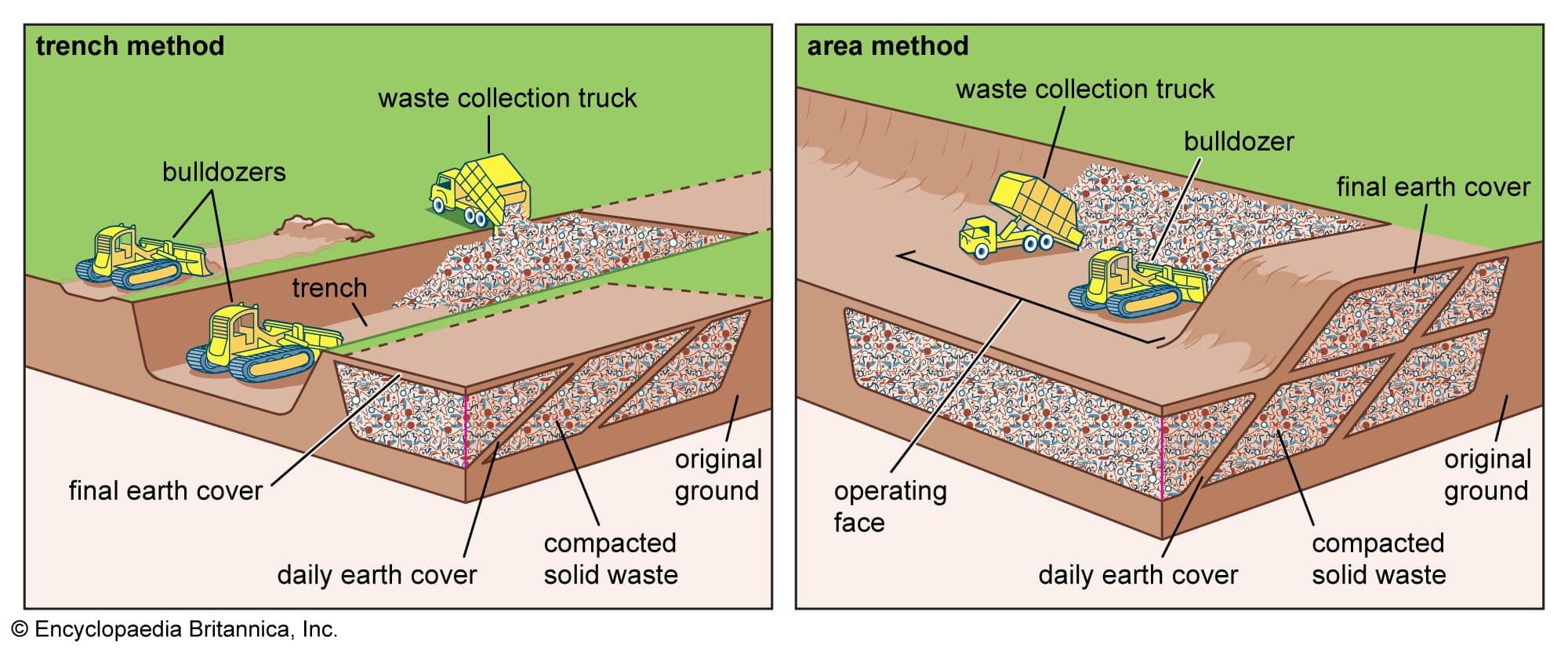
Proper well casing and sanitary sealing with bentonite clay at the aquitard layer prevent shallow contaminated water from leaking into the pristine deep aquifer zone.
Coastal Salinity & Climate Impact
In the southern coastal belt, deep groundwater aquifers are frequently brackish or saline due to historical marine transgressions. Climate change accelerates this threat through intensified storm surges and sea-level rise, elevating ground salinity above 15,000 mg/L in dry seasons.
High sodium intake through drinking water has severe medical consequences for coastal populations, directly linked to elevated rates of pre-eclampsia and gestational hypertension in pregnant women, as well as chronic kidney disease in adult populations.
Protecting coastal communities requires capturing rainwater or desalinating surface ponds rather than relying on saline groundwater wells.
Engineering Interventions & AIDE Solutions
No single technology fits every geographic context. AIDE Private Limited deploys a context-specific engineering matrix matching local water chemistry:
Coastal Saline Zones
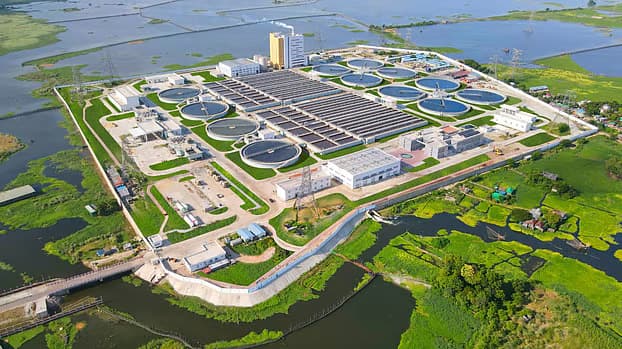
High-pressure membrane filtration via AIDE Reverse Osmosis (RO) Plants achieves 99% total dissolved solids (TDS) removal, supplying 5,000–20,000 liters/day of pure drinking water.
Off-Grid Surface Water Zones
Community-managed Solar Pond Sand Filters (PSF) treat surface water through multi-grade gravel, sand filtration, and UV disinfection.
In inland regions, AIDE installs Deep-Set Hand Pump Tubewells engineered with food-grade uPVC casings sealed at 200+ meters depth.
Community O&M, Tariff Models & Sustainable Governance
Hardware failure in rural WASH projects often stems from weak institutional ownership. To prevent pump breakdown and plant abandonment, AIDE institutes a 5-pillar community governance model:
- 1. 50% Female Leadership: Establishing Water Management Committees (WMCs) with mandatory female representation in executive decision-making roles.
- 2. Cost-Reflective Tariffs: Setting micro-tariffs (50–100 BDT/month/household) deposited into dedicated bank accounts for routine spare parts replacement.
- 3. Caretaker Certification: Training local technicians for preventive maintenance and rapid component repair.
- 4. Union Parishad Alignment: Registering water committees with local Union Parishad government bodies.
- 5. Water Quality Testing: Biannual testing for arsenic, iron, and microbial contamination.
Learn how AIDE partners with local government entities under our WASH Capacity Development Initiatives with DPHE & UNICEF.