The Urban Waste Crisis & Municipal Vulnerability
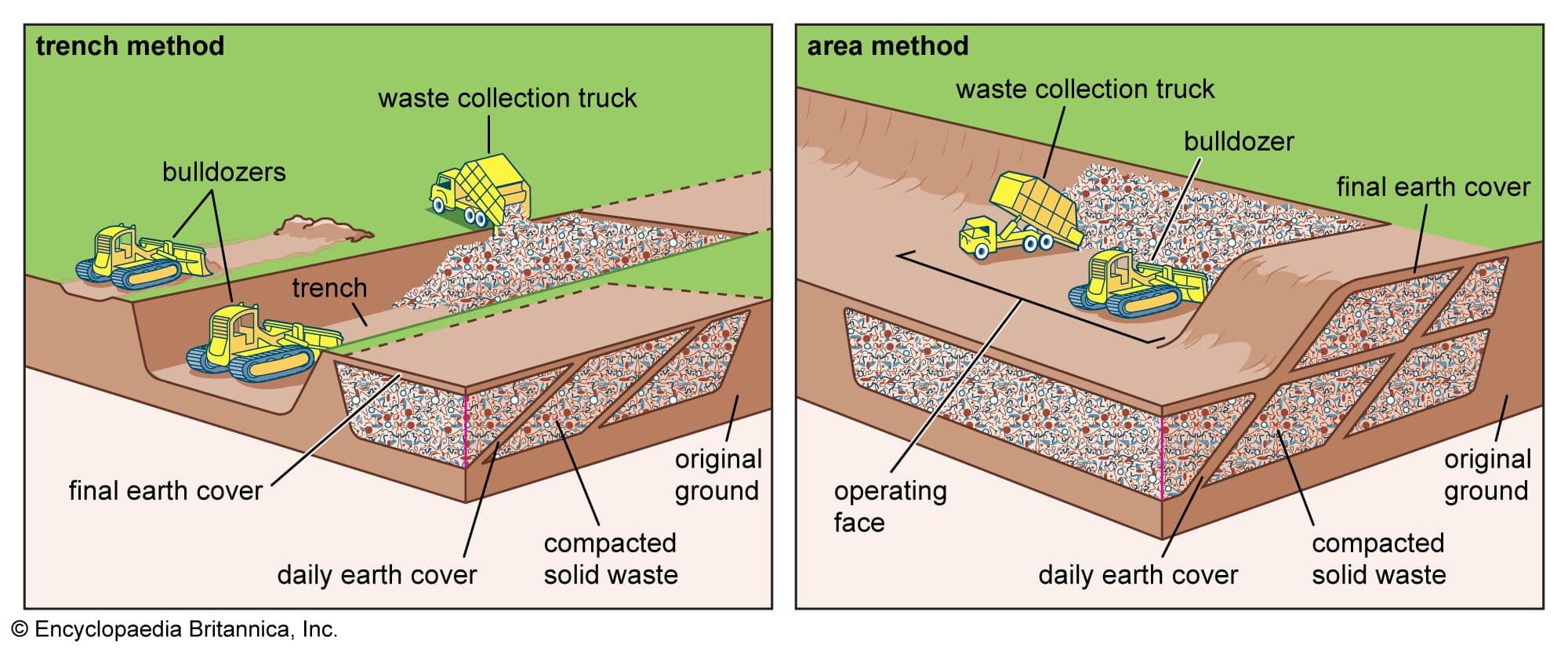
Rapid urbanization in Dhaka, Chattogram, and 330+ Pourashava municipalities generates over 25,000 tonnes of solid waste daily. Per capita waste generation ranges from 0.4 to 0.6 kg/day. Unmanaged disposal leads to open dumpsites, drainage blockages, severe urban flooding, and toxic leachate polluting river basins.
Crude tipping in open landfills releases methane gas, exacerbating greenhouse gas emissions while creating acute vector-borne disease risks for surrounding communities.
Waste Characterization & Organic Moisture Profile
A critical technical aspect of urban waste in Bangladesh is its high organic fraction. Unlike Western municipal waste streams dominated by paper and packaging, Bangladeshi urban waste comprises 65% to 75% biodegradable organic matter with high moisture content (50–65%).
This composition makes direct incineration energy-inefficient, but presents a prime opportunity for biological treatment, anaerobic digestion, and organic composting.
Primary Collection, Secondary Transfer Stations & 3R Framework
Implementing the 3R (Reduce, Reuse, Recycle) framework requires integrating primary household collection, Secondary Transfer Stations (STS), and specialized processing facilities:
- Door-to-Door Collection: Micro-entrepreneurs collect segregated waste using rickshaw vans.
- Enclosed STS Depots: Transferring waste into compactor trucks without open road spillage.
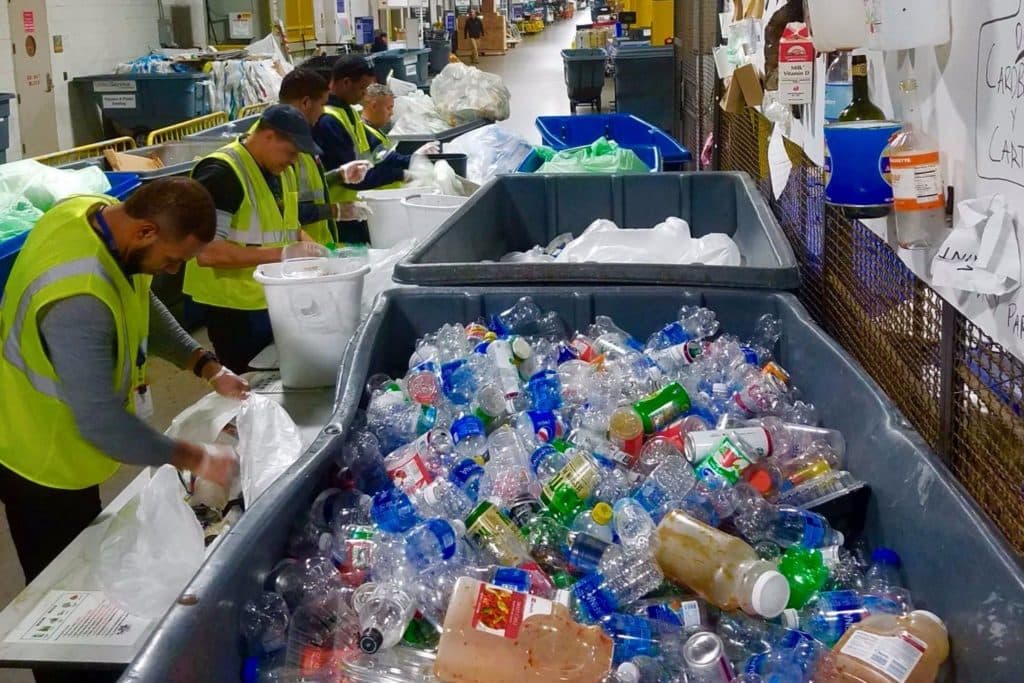
- Materials Recovery Facilities (MRF): Sorting recyclable plastics, glass, and metals before landfilling.
Fecal Sludge Treatment Plants (FSTP) & Co-Composting
Fecal sludge collected from municipal septic tanks by vacuum tankers is treated using AIDE FSTP Infrastructure — combining unplanted drying beds, anaerobic baffled reactors (ABR), and constructed wetlands.
Dried fecal sludge cake is co-composted with segregated organic market waste in a 1:3 ratio, generating high-nutrient bio-fertilizer rich in nitrogen, phosphorus, and potassium (NPK) for agricultural soil restoration.
Municipal Public-Private Partnerships & Carbon Finance
Sustaining urban waste management requires financial viability beyond local government subsidies. AIDE advises municipalities on Public-Private Partnerships (PPP) models, tipping fee structures, and carbon credit monetization through methane avoidance.
Explore our municipal advisory offerings under AIDE Waste Management Services.